Understanding the Life Cycle of a Dog and Animal Life Cycle
The journey from a tiny, dependent newborn to a mature, independent adult is one of nature's most captivating processes. For educators, parents, and animal enthusiasts alike, exploring the Life Cycle of a Dog offers a tangible way to understand broader biological concepts. As a cornerstone of the general Animal Life Cycle, the canine development process provides a relatable framework for teaching growth, change, and responsibility. This resource goes beyond simple observation; it invites learners to dive into the fascinating journey of man's best friend through an interactive and easy-to-understand approach.
The Biological Stages: From Whelp to Senior
To truly grasp the Life Cycle of a Dog, one must look at the distinct phases that define a dog's existence. Unlike many other animals in the Animal Life Cycle that may have metamorphic stages like insects, dogs undergo gradual physical and behavioral changes. Understanding these milestones is crucial for anyone studying biology or caring for a pet.
Puppyhood: The Foundation of Growth
The story begins with birth. A puppy is born blind, deaf, and entirely dependent on its mother. During this neonatal period, which lasts roughly the first two weeks, the primary focus is on survival and warmth. By three to four weeks, the eyes open, ears perk up, and the weaning process begins. This stage is critical in the Life Cycle of a Dog as it sets the foundation for socialization. Puppies begin to interact with their littermates, learning bite inhibition and basic communication skills that will serve them throughout their lives.
Adolescence: The Teenage Years
As the puppy grows, it enters adolescence, typically starting around six months and lasting until they are two years old, depending on the breed. This phase is often compared to human teenage years. Hormonal changes can lead to testing boundaries and increased energy levels. In the context of the Animal Life Cycle, this is when sexual maturity is reached. It is a time of rapid physical growth where the dog reaches its full size but may not yet possess full emotional maturity. Educators often use this stage to discuss the importance of training and patience.
Maturity and Adulthood
Once past adolescence, a dog enters adulthood. This is the longest phase of the Life Cycle of a Dog, characterized by stability in behavior and physical health. An adult dog is fully grown, emotionally stable, and capable of living independently. This stage allows for a deep exploration of the responsibilities of pet ownership and the complex relationship between humans and animals. It is here that the concept of the "companion animal" becomes most relevant in educational settings.
Senior Years: Aging Gracefully
The final chapter of the Animal Life Cycle involves aging. Signs of seniority vary by breed size, with giant breeds aging faster than small ones. During this time, mobility may decrease, senses may dull, and metabolic rates slow down. Discussing this stage helps students understand the natural progression of life and the importance of compassionate care for aging beings.
Educational Value: Why Study the Canine Journey?
Why is the Life Cycle of a Dog such a popular topic in classrooms? The answer lies in its accessibility. Dogs are familiar to almost every child, making abstract biological concepts concrete. When students engage with materials detailing the Animal Life Cycle through the lens of a dog, retention rates improve significantly. It transforms dry facts about reproduction, growth, and senescence into a narrative they can connect with emotionally.
This engagement is further enhanced by resources designed specifically for learning. A comprehensive packet on this topic serves as more than just a worksheet; it acts as a bridge between theory and real-world application. By focusing on the specific needs of elementary school teachers and homeschool educators, these tools ensure that grade-level expectations are met without sacrificing student interest.
Key Components of Effective Learning Materials
When evaluating resources for teaching the Life Cycle of a Dog, several key features stand out as essential for effective instruction:
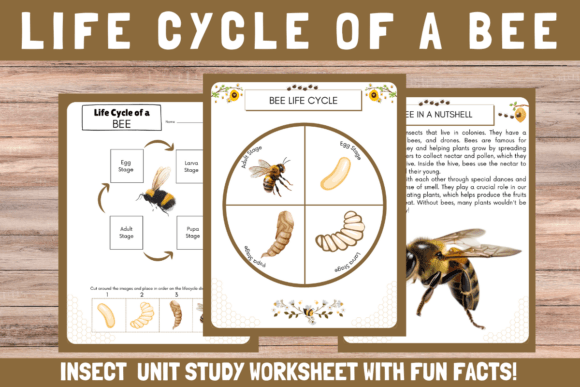
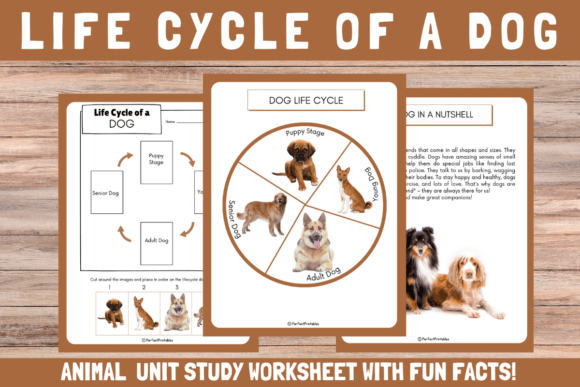
- Detailed Diagrams: Visual learners thrive on clear and colorful illustrations. High-quality graphics that depict each stage—from the vulnerable newborn to the robust adult—help students visualize the timeline of growth. These diagrams should be accurate yet engaging enough to capture immediate attention.
- Informative Text: Concise explanations are vital. Long paragraphs can overwhelm young readers. Instead, text should break down key developmental milestones, such as teething, weaning, and puberty, into digestible chunks. This approach ensures that the complexity of the Animal Life Cycle is simplified without losing scientific accuracy.
- Interactive Activities: Learning is active, not passive. Cut-and-paste activities allow students to physically manipulate the stages of life, reinforcing the sequence of events. Fun facts and targeted worksheets provide opportunities for assessment and creative expression, ensuring that the material sticks.
Practical Applications in Diverse Settings
The versatility of the Life Cycle of a Dog curriculum makes it suitable for a wide range of environments. Whether in a bustling public school classroom or a quiet home-school setting, the core principles remain the same. However, the application can be tailored to fit specific needs.
In the Elementary Classroom
For science and biology units, this topic is a perfect entry point. Teachers can align lessons with state standards regarding life cycles and organism development. The visual nature of the materials supports diverse learning styles, helping students who struggle with text-heavy content. Furthermore, it opens doors for discussions on empathy, responsibility, and the ethics of pet ownership.
Homeschool Environments
Homeschool educators often seek flexible, all-in-one resources. A print-ready packet covering the Animal Life Cycle via the dog example saves valuable preparation time. Parents can easily incorporate these activities into daily routines, perhaps even using a family pet as a live case study. This hands-on approach brings the textbook to life, creating memorable learning experiences.
Animal Studies Projects
Beyond standard curriculum, these resources are ideal for special projects. Students interested in veterinary medicine, animal behavior, or zoology can use the foundational knowledge of the Life Cycle of a Dog to explore more advanced topics. It serves as a springboard for research papers, presentations, and community service projects involving local shelters or rescue organizations.
Considerations and Limitations
While the Life Cycle of a Dog is an excellent teaching tool, it is important to acknowledge its limitations. Not all animals follow the same trajectory. While dogs share similarities with other mammals, the Animal Life Cycle varies wildly across species. Insects undergo metamorphosis, amphibians transition from water to land, and birds have distinct nesting behaviors. Therefore, while the dog model is powerful, it should be presented as one example within a larger biological context, not as the universal rule for all animals.
Additionally, breed differences play a significant role. A Chihuahua matures much faster than a Great Dane. Educators should introduce the nuance that "dog" is a broad category with variations in lifespan and growth rates. Addressing these differences prevents misconceptions and encourages critical thinking about biological diversity.
Real-World Scenarios and Impact
Imagine a third-grade classroom where students are tasked with sequencing the life of a dog. Using cut-out images, they arrange the stages from birth to old age. As they work, they discuss what the puppy needs at each stage—milk, then food, then training. This simple activity fosters empathy and understanding. Now, imagine a parent reading the accompanying text to their child, explaining why the dog is acting differently during adolescence. These moments create a deeper connection to the natural world.
The value of such resources extends beyond the classroom. They prepare children for the reality of owning a pet. Understanding the Life Cycle of a Dog means knowing that a puppy requires constant supervision, while a senior dog needs gentle care. This knowledge reduces impulse adoptions and promotes responsible pet ownership, contributing to better outcomes for animals in society.
Evaluating Suitability for Your Needs
When selecting materials on the Animal Life Cycle, consider your specific goals. Are you looking for a quick introduction or a deep dive? Do your students need visual aids or textual challenges? Resources that offer a balance of detailed diagrams, concise text, and interactive elements are generally the most effective. Look for materials that are aligned with educational standards to ensure they meet academic requirements. Additionally, check for visual appeal; high-quality images are not just decorative—they are cognitive tools that aid memory and comprehension.
Ultimately, the goal is to inspire curiosity. Whether you are a teacher planning a unit, a parent guiding a curious child, or a business owner creating educational content, the Life Cycle of a Dog remains a timeless subject. It connects us to the natural world, teaches us about growth and change, and reminds us of our shared responsibility toward the creatures that share our planet. By utilizing well-designed, engaging resources, we can ensure that the next generation understands and appreciates the beautiful journey of life.